
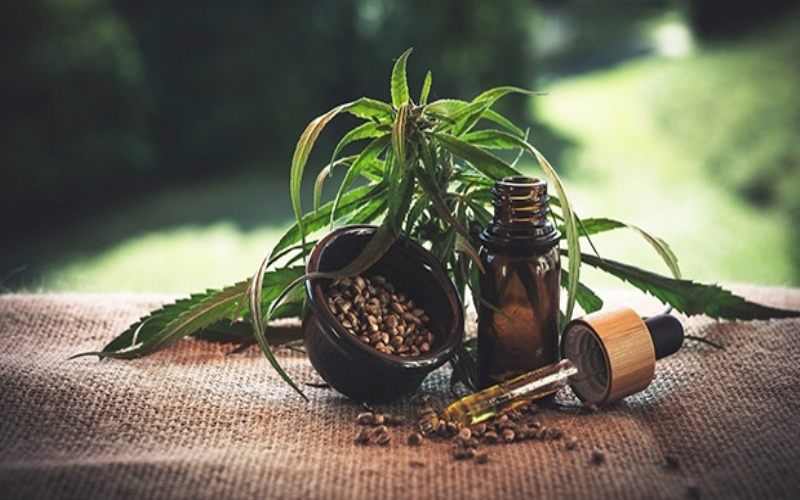
A cancer diagnosis can be a life-altering event, affecting not only the physical well-being of the patient but also their emotional and psychological health. Alongside conventional cancer treatments such as chemotherapy, radiation therapy, and surgery, many patients seek complementary therapies to alleviate symptoms, manage treatment side effects, and enhance their overall quality of life. One such complementary option that has garnered significant attention is cbd kaufen, a non-psychoactive compound derived from the cannabis plant. In this article, we will explore the potential benefits of CBD in cancer support, its interaction with the body, and its role in complementing cancer treatment.
Understanding Cancer
Cancer is a group of diseases characterized by the uncontrolled growth and spread of abnormal cells in the body. It can occur in virtually any tissue or organ and may result in the formation of tumors. While cancer can be a challenging and life-threatening diagnosis, advances in medical science have led to various treatment options aimed at controlling or eradicating cancer cells. These treatments may include surgery, chemotherapy, radiation therapy, immunotherapy, targeted therapy, and hormone therapy, among others.
Cancer Treatment Challenges
While cancer treatments have improved significantly over the years, they often come with a range of challenges and side effects that can affect a patient’s quality of life. Some common challenges include:
Pain: Cancer-related pain can be caused by the tumor itself, invasive procedures, or treatment side effects.
Nausea and Vomiting: Chemotherapy and radiation therapy can lead to severe nausea and vomiting, impacting a patient’s ability to eat and maintain proper nutrition.
Fatigue: Cancer-related fatigue is a common and often debilitating symptom that can persist even after treatment.
Anxiety and Depression: A cancer diagnosis can lead to increased levels of anxiety and depression, affecting mental well-being.
Sleep Disturbances: Pain, anxiety, and treatment side effects can disrupt sleep patterns, leading to fatigue and reduced quality of life.
Loss of Appetite: Many cancer patients experience a loss of appetite, which can further contribute to nutritional deficiencies.
Neuropathy: Some cancer treatments, especially certain chemotherapy drugs, can lead to peripheral neuropathy, causing pain and numbness in the extremities.
CBD and Cancer Support
CBD, a non-psychoactive compound derived from the cannabis plant, has generated significant interest in cancer support due to its potential to alleviate symptoms and improve overall well-being. While research is still in its early stages, several mechanisms suggest that CBD may offer benefits to cancer patients:
Pain Relief: CBD has demonstrated analgesic (pain-relieving) properties, making it a potential option for managing cancer-related pain.
Anti-Inflammatory Effects: Chronic inflammation is often associated with cancer and can contribute to pain and other symptoms. CBD’s anti-inflammatory properties may help mitigate these effects.
Nausea and Vomiting Reduction: CBD may help alleviate chemotherapy-induced nausea and vomiting, improving a patient’s ability to tolerate treatment and maintain proper nutrition.
Anxiety and Depression Management: CBD has shown promise in reducing symptoms of anxiety and depression, which are common emotional challenges faced by cancer patients.
Improved Sleep: CBD may help improve sleep patterns by reducing anxiety and alleviating pain, contributing to better overall quality of life.
Appetite Stimulation: Some cancer patients experience a loss of appetite, leading to nutritional deficiencies. CBD’s potential to stimulate appetite may help address this issue.
Neuropathy Relief: CBD’s neuroprotective properties may offer relief from peripheral neuropathy, a common side effect of certain chemotherapy drugs.
Anti-Tumor Effects (Research in Progress): While it’s still early in research, some studies suggest that CBD may have anti-tumor properties that could be explored further in the context of cancer treatment.
Using CBD for Cancer Support
If you are considering using CBD as part of your cancer support regimen, it’s essential to approach it with care and consult with healthcare professionals. Here are some steps to consider:
Consult Your Healthcare Provider: Discuss your interest in using CBD with your oncologist or healthcare provider. They can provide guidance on dosage, potential interactions with medications, and its suitability for your specific cancer and treatment plan.
Choose High-Quality Products: Ensure you select CBD products from reputable manufacturers that provide third-party lab testing results to verify their quality and potency.
Start with a Low Dose: Begin with a low dose of CBD and monitor your response. You can gradually increase the dose under the guidance of a healthcare professional.
Monitor Symptoms: Keep track of your cancer-related symptoms, such as pain levels, nausea, and mood, to assess the impact of CBD.
Consider Different Delivery Methods: CBD is available in various forms, including tinctures, capsules, topical creams, and edibles. Experiment with different delivery methods to find the one that works best for you.
Be Patient: CBD’s effects on cancer-related symptoms may vary from person to person and may take time to become noticeable. Be patient and consistent with your use.
Conclusion
Cancer is a challenging and complex condition that can have profound physical, emotional, and psychological effects on patients. While conventional cancer treatments are crucial for controlling the disease, they often come with side effects and challenges that impact a patient’s quality of life. In this context, CBD has emerged as a potential complementary option for cancer support due to its pain-relieving, anti-inflammatory, and anxiety-reducing properties.
It’s important to emphasize that CBD should not be considered a substitute for conventional cancer treatments. Instead, it may offer symptom relief and improve overall well-being when used in conjunction with medical guidance and a comprehensive cancer care plan.
As research on CBD and cancer support continues to evolve, it holds promise for enhancing the quality of life for cancer patients, reducing treatment-related side effects, and potentially contributing to improved outcomes. By working closely with healthcare professionals and choosing high-quality CBD products, cancer patients can explore the potential benefits of CBD as part of their comprehensive cancer support strategy.

